Proprietary Blends: What They Hide And Why
A Supplement Facts panel listing a '570mg proprietary blend' followed by five ingredient names tells you what's in the product, but not how much of each.
Here's why that distinction matters, and how to evaluate a formula with this pattern.
What a proprietary blend actually is
Under U.S. labeling rules, a company can list a combined weight for a group of ingredients (a 'blend') and name each component, without disclosing how much of that combined weight comes from each individual ingredient. This is legal, and common, especially in the vitality and performance-supplement category.
Why brands use this approach
Sometimes it's to protect a specific formula ratio from being copied by competitors. Other times, it may allow a brand to include a headline ingredient at a lower, less expensive dose than buyers might assume from seeing it listed prominently.
Why it matters for evaluating a product
Research on an ingredient is almost always dose-dependent — a study showing benefits at 600mg of a specific botanical doesn't tell you much about a product containing that same botanical at an unknown, possibly much smaller, fraction of a 570mg combined blend.
What partial disclosure looks like
Some labels split the difference: individually dosing one or two ingredients (often minerals or vitamins, which are cheaper to disclose) while grouping the more expensive or headline botanical ingredients into an undisclosed blend. This is worth noticing as a pattern.
How this applies here
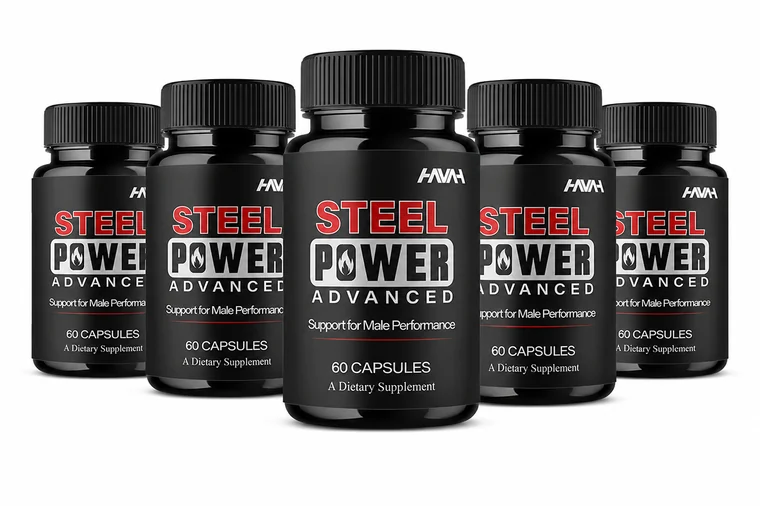
Steel Power individually doses Vitamin B3 and Zinc, while grouping L-Arginine, L-Citrulline, Tongkat Ali, Maca Root and Pine Bark Extract into an undisclosed 570mg blend — exactly this partial-disclosure pattern. See our full honest verdict for the complete picture.